A reference point, not a résumé.
Confidential work rarely comes with public case studies. This page shows what can be shown — books as reference artifacts, anonymized executive outcomes, and the repeat-engagement pattern leaders trust.
What you'll find here
Reference artifacts: the foundational texts behind the work
Executive outcomes: anonymized, board-level results (not technical detail)
Client champions: leaders who bring Conscious Asset from one organization to the next
Reference ArtIfacts
The source behind the frameworks competitors cite.
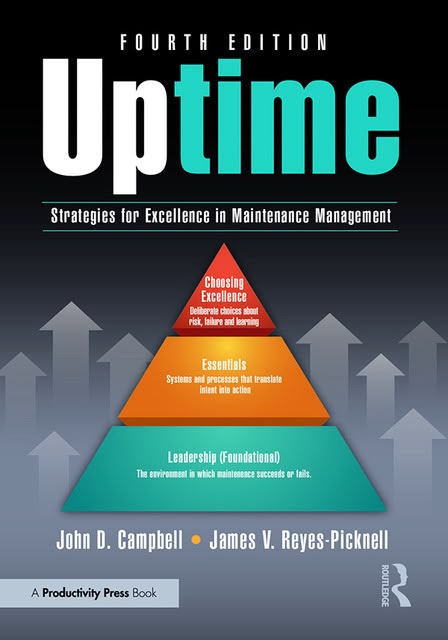
Uptime 4th Edition
The foundational text on reliability strategy — treated as a reference, not a brochure.
Leaders engage Conscious Asset for accountable application to operations — not theory.
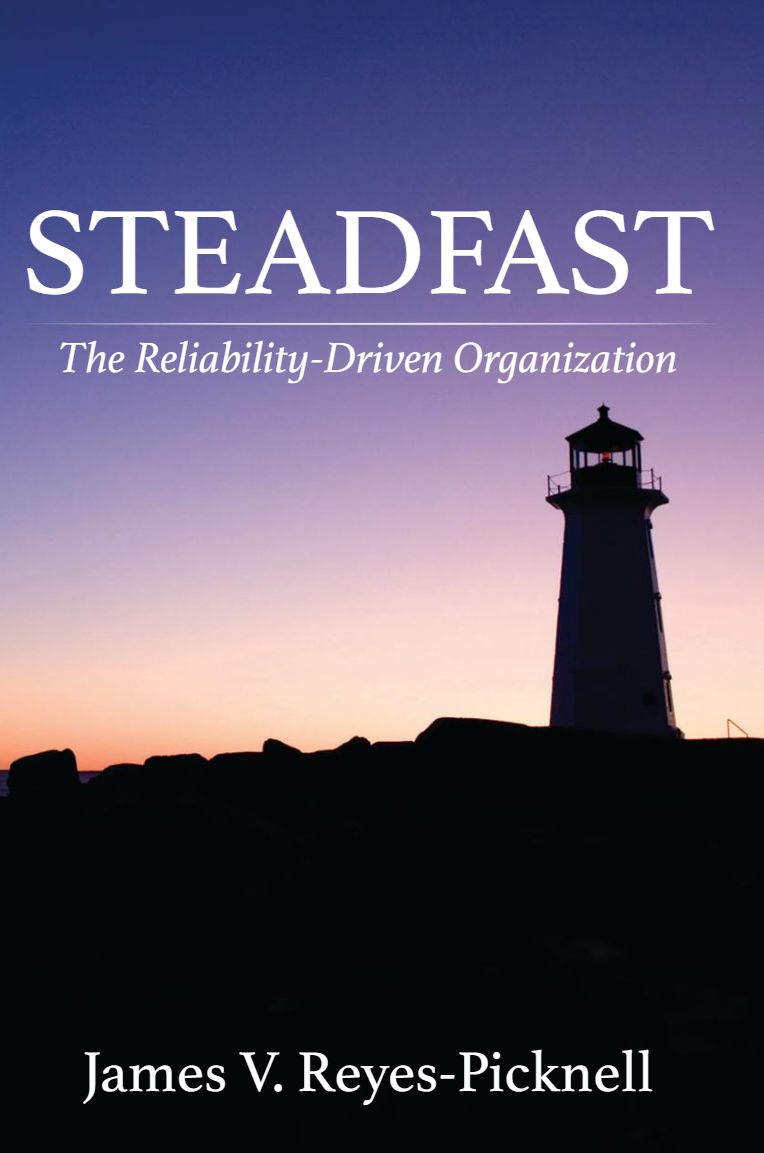
Steadfast
An executive-level roadmap for making reliability a strategic advantage.
Written for leaders, not only practitioners. Steadfast connects reliability, culture, leadership, and operating discipline into a practical framework for stronger performance.
Client Champions
"I'm not doing this unless you're working on this with me."
Former CEO client (anonymized)
Some leaders bring Conscious Asset from one organization to the next — because the approach holds under pressure.
Anonymized Engagement
Multi-site operator — reliability reset after sustained margin erosion
Board-level clarity restored by restructuring around criticality and governance.
Context
Recurring unplanned downtime across multiple sites. Rising cost exposure. Board seeking credible path to stability.
What Changed
Operating model restructured around asset criticality. Governance elevated to executive reporting. Decision frameworks aligned to risk exposure.
Executive Outcomes
Unplanned downtime reduced materially within two quarters. Budget reallocated to value-driven work. Board confidence in reporting restored.
Additional case examples and references can be discussed privately where appropriate.
Questions Leaders Ask
A few points of clarity.
Conscious Asset’s proof is necessarily careful because much of the work involves sensitive operational, financial, and leadership conditions. These questions explain what can be shown publicly, why some examples are anonymized, and how the books, case examples, and outcome patterns support executive confidence.
Why are some Conscious Asset case studies anonymized?
Much of Conscious Asset’s work involves confidential operational, financial, safety, or leadership issues. Case studies are anonymized where needed to protect client confidentiality while still showing the nature of the challenge, the work, and the executive outcomes.
What kind of proof can be shown publicly?
Public proof can include books published by Industrial Press and Taylor & Francis, anonymized engagement summaries, executive outcome patterns, sector experience, and examples of how leaders have used Conscious Asset to improve stability, risk visibility, and decision quality.
Why are books included as proof?
Books such as Uptime and Steadfast act as foundational reference books for the thinking behind Conscious Asset. Uptime supports the practitioner and reliability foundation, while Steadfast speaks more directly to executive leadership, resilience, and operating discipline.
How should leaders interpret the case examples?
The case examples are not presented as generic testimonials. They are intended to show the kinds of operating problems Conscious Asset helps leadership teams clarify, govern, and stabilize, especially where margin, risk, reliability, and accountability are connected.
Can references or fuller examples be discussed privately?
Yes. Where appropriate and confidentially safe, fuller context can be discussed in a strategic conversation. Public material is kept deliberately careful, because the work often involves sensitive operational and leadership conditions.
What makes this proof relevant to senior leaders?
The proof is framed around outcomes senior leaders own: cost exposure, operational stability, risk reduction, governance clarity, and confidence in decision-making. It avoids unnecessary technical detail and focuses on what leadership needs to understand, sponsor, and defend.
THE INVITATION
If you need proof you can stand behind, start with a conversation.
A brief, confidential call is usually enough to assess stakes and fit.
Confidential. Board-ready. No obligation.